
Oral Surgery Financial District, NY
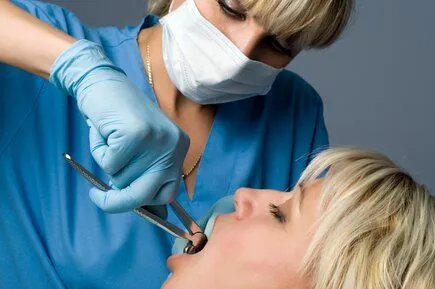
Oral surgery can make a huge difference in your life. The right procedure can enhance how you look and how you feel. Oral (maxillofacial) surgery is considered the oldest specialized service in the field of dentistry and is used to treat diseases and conditions in the head—mostly the face and jaw. Dental surgeons are the doctors who perform these types of surgeries on patients.
There are a number of procedures that fall under the umbrella of oral and maxillofacial surgery. Most either involve removing something that’s causing a problem or adding something that will help reconstruct your smile.
Here are a few of the most common types of oral surgery:
- Removal of wisdom teeth
- Extraction of an infected tooth
- Periodontal surgery to clear up infections
- Bone grafting surgery to reinforce and regrow bone tissue
- Installation of dental implants
- Surgery to relieve pain due to TMJ disorder
- Removal of cysts, tumors, or other growths in the mouth
Wisdom Teeth Removal:
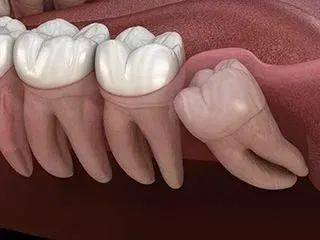
A wisdom tooth is extracted to correct an actual problem or to prevent problems that may come up in the future. An oral and maxillofacial surgeon or more affordably, Dr. Fadi Beydoun can remove (extract) a wisdom tooth. The procedure often can be done in the dentist’s office.
If you have any infections, surgery will usually be delayed until the infection has cleared up. Your doctor or dentist may have you take antibiotics to help heal the infection.
Before removing a wisdom tooth, your dentist will give you a local anesthetic to numb the area where the tooth will be removed.
To remove the wisdom tooth, Dr. Fadi Beydoun will open up the gum tissue over the tooth and take out any bone that is covering the tooth. He will separate the tissue connecting the tooth to the bone and then remove the tooth. Sometimes the dentist will cut the tooth into smaller pieces to make it easier to remove.
After the tooth is removed, you may need stitches. Some stitches dissolve over time and some have to be removed after a few days. Dr. Fadi Beydoun will tell you whether your stitches need to be removed. A folded cotton gauze pad placed over the wound will help stop the bleeding.
Dental Implants:
Dental implants are replacement tooth roots. Implants provide a strong foundation for fixed (permanent) or removable replacement teeth that are made to match your natural teeth. There are many advantages to dental implants, including:
- Improved appearance. Dental implants look and feel like your own teeth. And because they are designed to fuse with bone, they become permanent.
- Improved comfort. Because they become part of you, implants eliminate the discomfort of removable dentures.
- Easier eating. Sliding dentures can make chewing difficult. Dental implants function like your own teeth, allowing you to eat your favorite foods with confidence and without pain.
- Improved self-esteem. Dental implants can give you back your smile and help you feel better about yourself.
- Improved oral health. Dental implants don’t require reducing other teeth, as a tooth-supported bridge does. Because nearby teeth are not altered to support the implant, more of your own teeth are left intact, improving long-term oral health. Individual implants also allow easier access between teeth, improving oral hygiene.
- Durability. Implants are very durable and will last many years. With good care, many implants last a lifetime.
- Convenience. Removable dentures are just that; removable. Dental implants eliminate the embarrassing inconvenience of removing dentures, as well as the need for messy adhesives to keep them in place.
TMJ/TMD (Temporomandibular Joint Disorders)
Your temporomandibular joint is a hinge that connects your jaw to the temporal bones of your skull, which are in front of each ear. It lets you move your jaw up and down and side to side, so you can talk, chew, and yawn.
Problems with your jaw and the muscles in your face that control it are known as temporomandibular disorders (TMD).
